 Free fast delivery in NL & BE



Intro
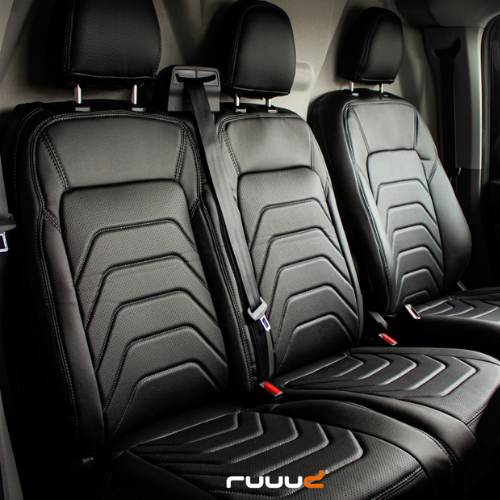
Daily use of a van doesn’t just leave its mark on the exterior. The interior also has to put up with a lot. Think of dirty work clothes, getting in and out frequently, damp, dust and wear and tear on the original upholstery. With well-fitting seat covers, you can protect your van’s seats, keep the interior tidier and prevent the van from looking worn out sooner than necessary. At Vooruwbus, you’ll find seat covers for a wide range of commercial vehicles, with model-specific fits and options for various seat and bench configurations.
Why do the seats in a van wear out so quickly?
Short answer: The seats in a van wear out quickly due to intensive daily use, dirty clothes, frequent getting in and out, and the fact that the cabin is often used as a workspace.
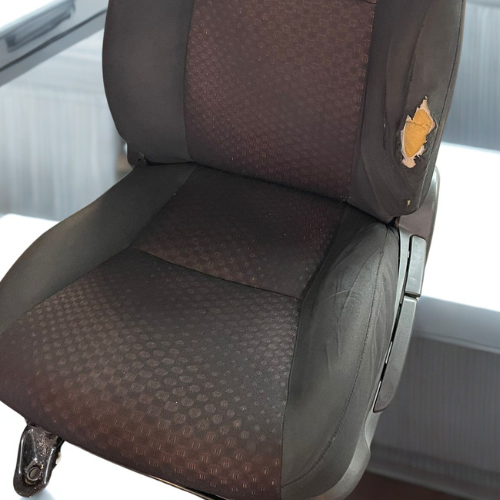
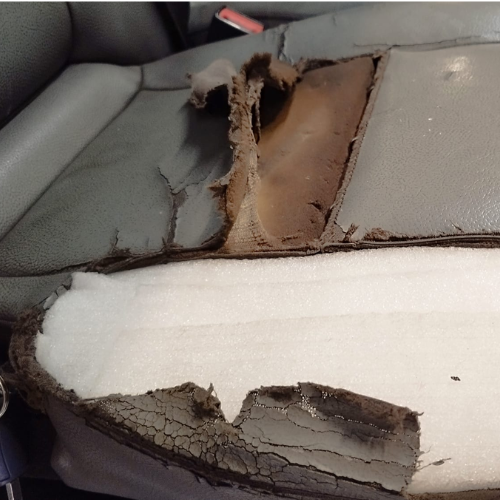
In practice, many drivers only realise at a late stage just how much impact daily use has on the interior. A seat in a commercial vehicle has to endure a great deal more than a seat in a standard passenger car. Particularly in the case of tradespeople, fitters, contractors, couriers and service vehicles, dirt, moisture, dust or abrasive workwear are more likely to end up on the upholstery.
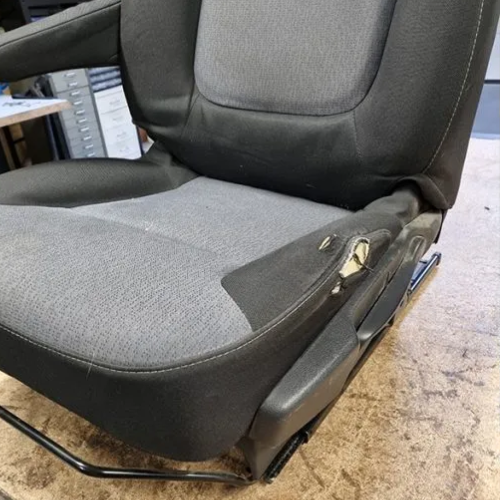
What’s more, you tend to get in and out of a van more often than you do a normal car. This causes extra wear and tear on the seat and the sides of the backrest. You’ll notice that the original upholstery wears out more quickly, particularly when a van is used intensively or driven by several drivers. Seat covers are therefore not just a cosmetic choice, but also a practical form of protection. This is explicitly stated on Vooruwbus’s product pages: protection against dirt, moisture and everyday wear and tear, whilst maintaining a neat and professional appearance.
What exactly do seat covers do?
Short answer: Seat covers protect the original upholstery, make the interior easier to keep clean and ensure that a heavily used van looks well-maintained for longer.
When it comes to seat covers, many customers think first and foremost of appearance, but the greatest benefits usually lie in protection and ease of maintenance. The original seat upholstery is vulnerable to dirt, moisture, abrasive clothing and everyday wear and tear. In a work van in particular, this can quickly lead to signs of wear or a worn-out appearance.
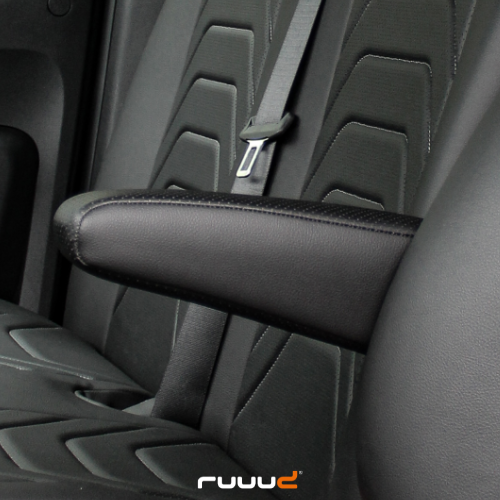
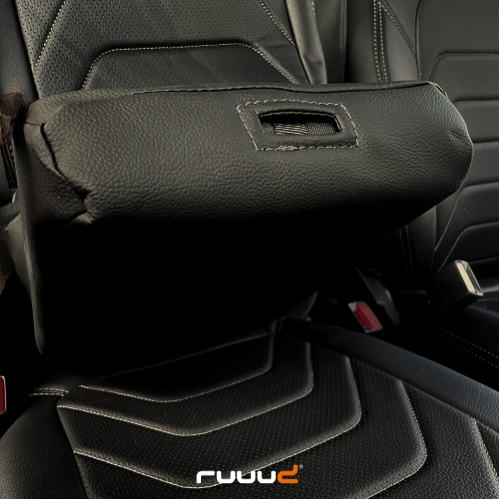
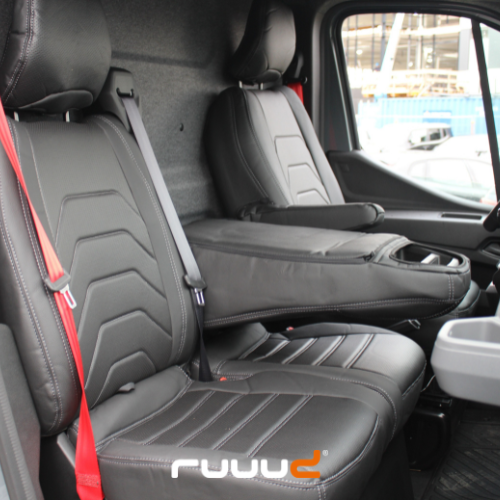
Well-fitting seat covers provide an extra layer of protection over the original seat. The Vooruwbus website emphasises that the covers are made to measure for each type of commercial vehicle and ensure a professional appearance. It also states that sets are available for various configurations, such as two individual seats or a combination of a seat and a bench, and that armrest or headrest covers, where applicable, are included. Furthermore, the covers are designed to accommodate existing features in the seat or bench, such as storage pockets and folding mechanisms.
On some product pages, additional emphasis is also placed on aspects such as ease of cleaning and durability, extra comfort and a snug fit. This makes chair covers particularly appealing to customers who not only want to protect their interiors, but also want to keep them looking neat for customers, staff or when reselling.
What should you look out for when choosing seat covers?
Short answer: Pay particular attention to the fit, seat configuration, material, whether all functions are retained, and whether the cover is actually suitable for your van.
Not all seat covers are the same. For vans, a good fit is far more important than many people realise. A poorly fitting cover will slip around, look untidy and can be a nuisance in everyday use. At Vooruwbus, the focus is precisely on model-specific covers for each vehicle type, with variations for different seat and bench configurations.
What should you look out for?
1. Will the cover actually fit your model?
A Ford Transit, Volkswagen T6.1 The Mercedes eVito is available in a range of seating configurations. These include seat/seat, seat/bench, or variants with armrests and headrests. Vooruwbus explicitly states that there Different sets are available depending on the vehicle and configuration.
2. Will the functions remain usable?
A good chair cover takes into account pockets, fold-away sections and other chair or sofa features. This is also explicitly mentioned on the category page.
3. Which material is best suited to your needs?
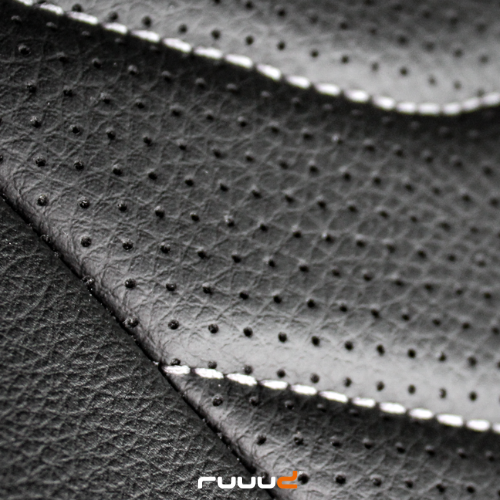
The website mainly features faux leather versions, partly because they are easy to keep clean and are suitable for heavy use. The product pages also highlight breathable materials, perforations and foam layers for extra comfort.
4. Bear in mind the assembly process and the final result
A snug fit looks great, but often requires careful fitting. The Vooruwbus fitting instructions clearly state that fitting seat covers is a precise job and that some openings or plastic side panels require extra attention.
Who are chair covers particularly of interest to?
Short answer: Seat covers are particularly useful for those who use their van intensively, drive in work clothes, or want to keep the interior tidy for staff, customers or resale.
Chair covers aren’t just useful for ‘old’ or damaged chairs. On the contrary: many customers actually benefit most from fitting them in good time. This prevents the original upholstery from becoming damaged in the first place, saving you from having to invest in repairs or replacements later on.
This blog post is particularly relevant for:
- professionals wearing dirty or abrasive workwear
- couriers and service vehicles where people get in and out frequently
- fleet managers who want to keep their vehicles in good condition for longer
- taxi or passenger transport companies where the interior must remain presentable
- customers who want to be able to resell their bus more easily at a later date
- people who want to give a second-hand van a fresher look
This is also in line with what Vooruwbus highlights on its product pages: protection of the interior, a professional look, easy cleaning and, in some cases, extra comfort. Furthermore, your range shows that seat covers are available for many common models and variants, including the Ford Transit, Volkswagen T6.1, Mercedes eVito, Opel Combo, Fiat Ducato and other popular commercial vehicles
Common mistakes when choosing seat covers
Short answer: The biggest mistakes are starting too late, focusing solely on appearance, and not paying enough attention to workmanship, fit and assembly.
Many customers leave it too late to think about seat covers. They wait until the original upholstery is already visibly worn or stained. Seat covers are still useful at that stage, but you’ve already missed out on the protective benefits they offer during the first few years of use.
Other common mistakes:
- choose based solely on colour or appearance
- not paying close attention to the seating arrangement
- forget that armrests, headrests or side functions must continue to work
- underestimate the fact that a snug-fitting cover needs to be fitted correctly
- think that ‘good enough’ is the universal standard, whereas a proper fit is actually what makes the biggest difference
The Vooruwbus fitting instructions also show that precision is important: the covers fit snugly, plastic parts sometimes need to be temporarily removed, and aligning the seams is crucial for a correct end result.
Showroom, advice and installation
Short answer: If you’re unsure about the fit, material or design, it’s a good idea to ask for advice or pop into the showroom.
One of Vooruwbus’s strengths is that customers can not only order online, but also make use of our showroom, advice and fitting services. Our showroom is always open to visitors, fitting is available, and many accessories are available straight from stock. Take a look at our blog about our showroom.
This is particularly useful for seat covers. In photos, a cover often appears simpler to choose than it is in practice. But with vans, details such as the seating layout, armrests, headrests and vehicle specification are actually important. In addition, the fitting page shows that customers can choose between fitting the covers themselves using the instructions, or having them fitted at the workshop. Whilst the fitters are working, you can wait in the lounge or showroom with coffee and Wi-Fi.
So, if you’re torn between several options or want to know which cover best suits your needs, personalised advice is certainly worth considering.
Conclusion
Do you want to protect the seats in your van from dirt, moisture and everyday wear and tear? Then take a look at the van seat covers on our website and choose the set that suits your vehicle and seat configuration. Thanks to our wide range, there are suitable solutions available for many models, and if you’re unsure, you can ask for advice or have the installation carried out.
In practice, seat covers are primarily useful for protection, and only secondarily for their appearance. In a van, seats have to endure much more than in a standard passenger car. Think of work clothes, dust, moisture, tools, frequent getting in and out, and intensive daily use. As a result, the seats and sides of the seats in particular wear out more quickly. The product pages on Vooruwbus therefore not only mention appearance, but explicitly highlight protection against dirt, moisture and daily wear and tear. In addition, well-fitting seat covers help to keep the interior looking neat for longer, which is important for a professional image, staff morale, customer relations and the vehicle’s ultimate resale value. So, particularly for commercial vehicles, this is much more than just an aesthetic choice.
The best time to fit seat covers is actually as early as possible. That way, you protect the original upholstery before any visible signs of wear and tear appear. Many people wait until the seats are already dirty, damaged or worn, but by then you’ve already lost some of the benefit. That doesn’t mean seat covers are no longer useful later on. They can still be very valuable even on a used van, for example to tidy up the interior, protect the seats from further wear and tear, and give the cabin a neater appearance. This is also mentioned on Vooruwbus’s product pages: seat covers are suitable for preventative protection of the interior, but also for restoring a neater and more professional appearance to the seats.
No, and that is precisely why a good fit is so important. A van can vary significantly depending on the model, year of manufacture and specification. Consider, for example, two separate seats, a driver’s seat with a two-seater bench, armrests, headrests or specific features such as fold-down sections. Vooruwbus emphasises on its category page that the seat covers are made to measure for each type of commercial vehicle and that different sets are available depending on the configuration. Matching armrest and headrest covers are also included, where applicable. Furthermore, it is stated that existing storage compartments are taken into account, as is the ability to continue folding down the seat or bench. So, if you want a neat and functional solution, it’s best not to opt for something that’s ‘roughly a fit’, but rather a model-specific cover that’s genuinely designed for the correct specification.
That depends on how handy you are and on the type of van, but don’t underestimate the installation. Vooruwbus itself states that fitting seat covers is a fiddly job. The covers often have a snug fit to ensure a neat finish, but this means it can sometimes take a bit more effort and precision to get everything neatly into place. The fitting instructions also explain that you may need to temporarily remove plastic side trims, cut openings for armrests or adjustment knobs, and pay close attention to the alignment of the seams. At the same time, Vooruwbus makes it practical: fitting guides are available and workshop fitting is an option. So anyone who is unsure about fitting it themselves can ask for advice or have the fitting carried out.
Seat covers are certainly not just for heavy-duty work vans. In fact, they are just as relevant for representative vehicles, taxis, passenger transport and company cars used to visit clients. A well-maintained interior says a lot about how a vehicle is used and looked after. That is why the product pages on Vooruwbus mention not only protection and ease of maintenance, but also appearance, professionalism and comfort. What’s more, some designs are made from faux leather or combinations that are easy to keep clean whilst giving a neat, well-maintained look. This makes seat covers an attractive option for anyone who wants to keep the interior looking good for longer, without having to look at damaged original upholstery every time there’s a stain or a sign of wear and tear. For vehicles used for representative purposes, this is often just as important as for technical or heavy-duty use.
Yes, that’s precisely one of the practical advantages of Vooruwbus. The website clearly states that there is a showroom to visit, that fitting is available, and that customers can also be assisted in the workshop. The fitting page also mentions that you can wait in the lounge or showroom whilst the fitting is taking place, with coffee and Wi-Fi available. This is particularly useful for chair covers, as the fit, material, configuration and finish are often more important in practice than they appear at first glance. Specific product pages also explicitly state that fitting is available and that customers can book an appointment for this in Veghel. So, anyone who is undecided between different sets or would prefer to be sure that everything is fitted neatly and correctly can opt for advice and fitting rather than figuring it all out themselves.
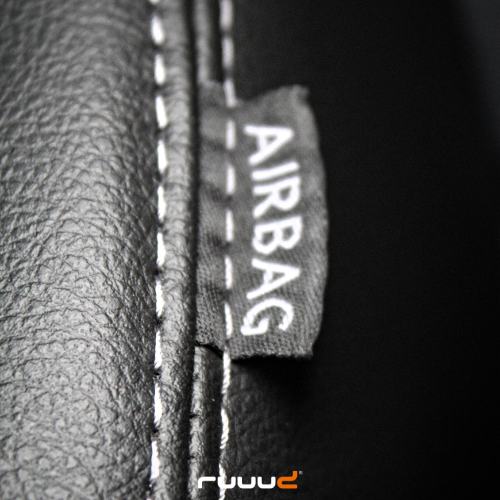
Seat covers must be fully compatible with the seat’s safety systems, such as side airbags. This is often underestimated, but it is more important than many customers realise. Modern vans have airbags fitted into the sides of the seats, and these must be able to deploy correctly in the event of an accident.
That is why good seat covers are fitted with specific seams or areas that tear open in a controlled manner when the airbag is deployed. At product level, you often see that this is explicitly taken into account in made-to-measure models.
It is therefore important not to choose universal covers without knowing whether they are suitable for your vehicle. If you are unsure about this, it is advisable to seek advice or view the product in the showroom, so that you can be sure that safety and fit are properly combined.
One of the biggest advantages of seat covers is precisely how easy they are to maintain. Whilst original fabric upholstery often absorbs dirt and is difficult to clean, many seat covers — particularly those made of faux leather — can be easily wiped clean with a damp cloth.
In practice, this means that mud, dust, grease or moisture are far less likely to soak into the fabric. This makes them particularly appealing to tradespeople, mechanics and couriers who wear their work clothes on the bus every day.
It also helps to maintain the smell and general hygiene in the cabin. Rather than deep cleaning or replacing the upholstery, a quick clean is often all that’s needed. This saves time and ensures that your interior continues to look well-maintained for much longer, even with intensive use.
Many customers wonder whether chair covers reduce seating comfort, but in practice this is not usually the case. On the contrary: high-quality covers can actually improve comfort. Some designs feature extra layers of foam or perforated material, which provide better support and ventilation.
A good fit plays a major role here. When a seat cover fits snugly over the original seat, it feels like an extension of the original upholstery. Poorly fitting universal covers, on the other hand, can slip or crease, which can be distracting whilst driving.
That is why it is important to choose covers that are specifically designed for your vehicle and seat configuration. This way, you retain the original comfort, with extra protection and, in many cases, an even more comfortable seating experience on longer journeys.
Yes, and that’s actually advisable. Seat covers protect the interior of your van, but they’re only one part of the overall protection for your vehicle. In practice, we find that damage often occurs in several places at once: the rear bumper, the sides and the interior.
By combining seat covers with, for example, bumper protectors, side bars or running boards, you ensure that both the interior and exterior are better protected. This not only prevents damage, but also ensures that your van retains its value for longer and looks more professional.
Many customers start by investing in a single solution and only realise afterwards just how handy it is to take a holistic approach. In the showroom, you can also compare these combinations side by side and see which protection best suits your needs.
